


A sharp rodent smell in the house is hard to ignore.
If you’re looking for how to get rid of mouse urine smell, the real issue is usually deeper than the surface.
Mouse urine can soak into carpet, wood, walls, insulation, and fabric. That’s why the smell may come back after basic cleaning.
In this guide, you’ll learn 7 simple ways to remove mouse urine smell, clean the source properly, and stop the odor from returning.
Key Takeaways
- Mouse or rat urine smell can soak deep into carpet, wood, drywall, fabric, and insulation, which is why quick surface cleaning often doesn’t work.
- Enzyme cleaners are the best first choice because they break down urine odor at the source instead of only covering the smell.
- Finding and removing the hidden source matters most, especially if urine is behind walls, in corners, inside cabinets, or in attic and crawl space areas.
- Ventilation, vinegar, and baking soda can reduce leftover odor, but they work best after the contaminated area has been cleaned properly.
- Some porous materials may need replacement, such as insulation, carpet padding, or heavily soaked wood, if the odor keeps coming back.
- The smell can last from days to weeks, depending on how deep the urine spread, how fast you clean it, and whether mice or rats return.
Why Mouse or Rat Urine Smell Is So Strong and Hard to Remove
Rat or mouse urine has a strong ammonia-like smell that can linger if not cleaned properly.
Both rat and mouse urine odors stick because they soak deep into surfaces like wood, fabric, and drywall.
Here’s what makes the smell so difficult to deal with:
- It penetrates deep into materials
Urine doesn’t stay on the surface. It seeps into carpets, insulation, and even inside walls, which makes simple cleaning less effective. - The ammonia smell is very sharp
Rodent urine contains compounds that create a strong, lasting odor that doesn’t fade on its own. - It builds up over time
If mice or rats stay in the same area, they keep urinating in one spot. This increases the smell and makes it harder to remove later. - It attracts more rodents
The odor acts like a signal for other rodents. If not cleaned fully, it can lead to more activity in the same area.
This is why quick surface cleaning doesn’t solve the problem. You need to deal with what’s soaked inside, not just what you can see.
📖 You May Also Like This “Pest Control” Article: How to Repel Bees and Wasps Naturally?
7 Best Ways to Get Rid of Mouse Urine Smell
1. Use an Enzyme Cleaner (Most Effective Solution)
The best way to get rid of rat or mouse urine smell is by using an enzyme-based cleaner.
These cleaners break down rodent urine at the source instead of just masking the odor.
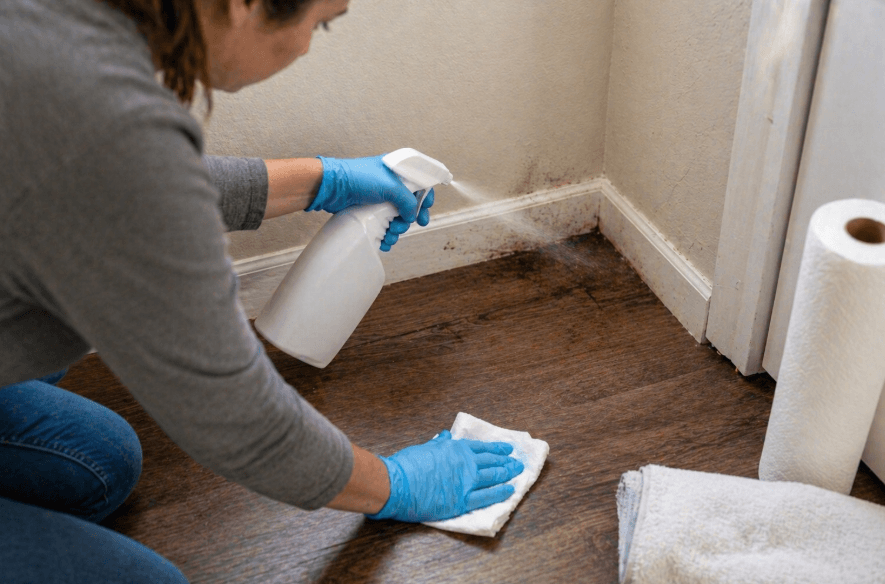
Enzyme cleaners work by digesting the proteins in urine that cause the smell. That’s why they go deeper than regular sprays.
How to use it:
- Spray directly on the affected area
- Let it sit for the recommended time
- Wipe or blot without rinsing too soon
This step matters since surface cleaning alone won’t remove what’s soaked inside.
2. Find and Remove the Source Completely
If you don’t remove the source, the smell will keep coming back.
Rat and mouse urine often hides in insulation, corners, and behind walls.
Common hiding spots include:
- Behind appliances
- Inside cabinets
- Attics and crawl spaces
- Wall voids
For example, cleaning a floor won’t help if the real source is inside the wall nearby.
Take time to locate the exact area. That’s what stops the odor from returning again and again.
3. Ventilate the Area to Clear Lingering Odor
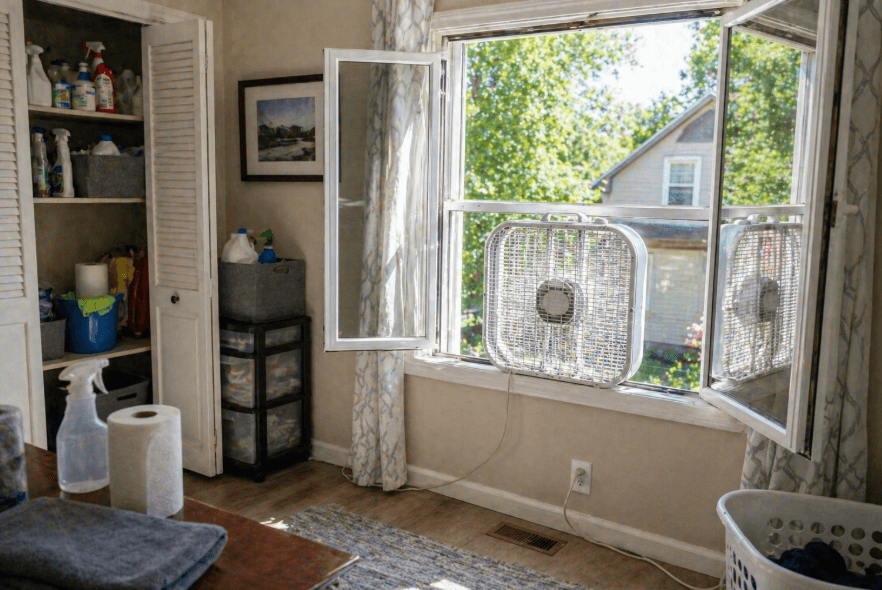
Proper ventilation helps reduce strong rat or mouse urine odors quickly.
Fresh air circulation makes a noticeable difference during and after cleaning.
What to do:
- Open windows and doors
- Use fans to push air out
- Run exhaust fans if available
Ventilation won’t remove deep odors on its own, but it helps clear what’s left in the air so the space feels normal faster.
4. Use Vinegar as a Natural Odor Neutralizer
Vinegar is a simple and affordable way to reduce rat or mouse urine odor.
It works by neutralizing the ammonia smell from rodent urine.
How to apply:
- Mix equal parts vinegar and water
- Spray on hard surfaces
- Let it sit, then wipe clean
This works well for floors, tiles, and non-porous areas. It won’t reach deep contamination, but it helps reduce surface odor effectively.
5. Apply Baking Soda for Odor Absorption
Baking soda helps absorb leftover odor from rat or mouse urine.
It works best as a follow-up after cleaning the affected area.
Steps:
- Sprinkle baking soda over the area
- Leave it for several hours or overnight
- Vacuum or wipe it away
This is useful for carpets, rugs, and soft surfaces where odors tend to linger.
6. Clean or Replace Contaminated Materials
Sometimes cleaning isn’t enough, especially for porous materials affected by rat or mouse urine. In severe cases, replacing contaminated items is the only solution.
Materials that often need replacement:
- Insulation
- Carpet padding
- Heavily soaked wood
If the smell stays after multiple cleanings, it usually means the urine has gone too deep to remove fully.
7. Prevent Rats and Mice From Coming Back
If rats or mice return, the smell will too.
Prevention is the final step to make sure rodent urine odor doesn’t come back.
Focus on:
- Sealing entry points around your home
- Storing food in sealed containers
- Keeping areas clean and dry
For example, even a small gap near pipes can allow rodents back inside. Closing those gaps helps stop the problem at its source.
This step matters since removing the smell once won’t help if rodents keep returning.
📖 You May Also Like This “Pest Control” Article: How Long Does It Take to Get Rid of Termites?
How Long Does Rat or Mouse Urine Smell Last?
Rat or mouse urine smell can last from a few days to several weeks depending on the situation.
The deeper the urine soaks in, the longer the odor stays.
Here’s what affects how long the smell lasts:
- Surface vs deep absorption
If urine is only on hard surfaces, the smell may go away within days after proper cleaning. If it soaks into carpet, wood, or drywall, it can last for weeks. - How quickly you clean it
Fresh urine is much easier to remove. Old stains sit longer and become harder to get rid of. - Amount of contamination
A single spot is easier to handle. Multiple areas or long-term rodent activity lead to stronger, longer-lasting odor. - Cleaning method used
Basic cleaners may reduce the smell for a short time. Enzyme cleaners work deeper and help remove the odor more completely.
For example, a small, fresh stain cleaned right away may clear within a day or two. But urine inside insulation or walls can keep the smell around until the source is fully removed.
This is why some homes still smell even after cleaning. The odor isn’t gone yet, it’s just hidden deeper inside.
Frequently Asked Questions
How to get rid of mouse urine smell in fabric?
Use an enzyme cleaner first, then wash with hot water and detergent. For strong odors, repeat the process or soak the fabric before washing to fully remove the smell.
Is mouse pee dangerous?
Yes, mouse urine can carry bacteria and viruses. Direct contact or breathing in contaminated dust can cause health issues, so cleaning and proper protection like gloves and masks, matter.
How do the Amish get rid of mice?
Many Amish households use traps, sealing entry points, and keeping areas clean. They rely on simple methods that remove rodents and stop them from coming back.