

You found termite damage, mud tubes, tiny wings, or soft wood, and now the big question is: how long will it take to get rid of termites completely?
That uncertainty is the stressful part.
The tricky part is that termites don’t stop just because you found them. Killing a few doesn’t mean the hidden colony is gone.
In this guide, you’ll learn how long termite treatment usually takes, what affects the timeline, and what signs show the problem is actually getting under control.
Key Takeaways
- Termite treatment can take a few days to several months, depending on the termite type, treatment method, and infestation size.
- No termite treatment eliminates a full colony instantly. Visible termites may die quickly, but hidden colonies usually take longer to remove.
- Liquid treatments work faster, often reducing activity within 1 to 2 weeks, while bait systems can take 1 to 3 months for full colony elimination.
- DIY termite treatments are unreliable because they usually kill only the termites you can see, not the colony behind walls or underground.
- Termite activity should gradually decrease after treatment. New damage, fresh mud tubes, or activity in multiple areas may mean the colony is still active.
- Termites can return after treatment if moisture, wood-to-soil contact, entry points, or lack of inspections are not addressed.
How Long Does It Actually Take to Get Rid of Termites?
In most homes, getting rid of termites takes a few days to several months.
That sounds broad, but it makes sense when you look at what treatment is trying to do. You are not just cleaning up a surface pest. You are trying to stop a colony that may be hidden inside walls, floors, soil, furniture, or structural wood.
A realistic timeline usually looks like this:
- A few days: Some termites may start dying after treatment begins
- A few weeks: Activity should begin dropping as treatment spreads
- A few months: Full colony control may happen, depending on the method used
The biggest mistake is expecting termites to vanish overnight.
For example, if you spray a few termites near a window frame, those termites may die quickly. But if the colony is still active inside the wall or under the soil, the real problem is still there.
So the timeline depends on one thing more than anything else:
Are you killing visible termites, or are you eliminating the colony?
How Fast Different Termite Treatments Work
Different treatments work at different speeds.
Some act quickly on termites that come into contact with the treatment. Others take longer because they are designed to spread through the colony.
Liquid Barrier Treatments
- How fast it works: Liquid treatments may start affecting termites within 1 to 3 days. You may see activity drop within 1 to 2 weeks, but full control can still take several weeks because termites need to contact the treated soil.
Termite Bait Systems
- How fast it works: Bait systems usually take several weeks to a few months. Termites must find the bait, feed on it, and carry it back through the colony. It feels slower at first, but the goal is deeper colony control.
Fumigation
- How fast it works: Fumigation can eliminate drywood termites within 24 to 72 hours, but the full process usually takes longer because of preparation, treatment time, ventilation, and reentry steps. It is often used when termites are inside wood structures.
DIY Treatments
- How fast it works: DIY termite treatments are unpredictable. You may see fewer termites within days, but that does not mean the colony is gone. Store-bought sprays often kill visible termites while hidden termites continue working behind walls or underground.
Simple rule: the faster treatment kills visible termites, the more important it is to confirm the hidden colony is also controlled.
📖 You May Also Like This “Pest Control” Article: How to Repel Bees and Wasps Naturally?
What Affects How Long It Takes to Get Rid of Termites?
The timeline changes from home to home.
Two houses can have termites, use treatment, and still have different results because the infestation is not the same.
Small infestations in easy-to-reach areas may respond faster. Hidden colonies, larger infestations, or termites under the foundation usually take longer.
That’s why the real question is not only “what treatment was used?” It’s also “where are the termites, how established is the colony, and how much access does the treatment have?”
Type of Termite
- Why it matters: Subterranean termites live in soil and travel into the home, so treatment often needs to reach underground activity. Drywood termites live inside wood, so fumigation or direct wood treatment may work faster depending on where they are.
Size of the Infestation
- Why it matters: A small early infestation may respond within weeks. A large infestation that has been active for years can take months because termites may be spread through multiple areas of the home or structure.
Location of the Colony
- Why it matters: Termites in accessible wood are easier to treat than termites hidden behind drywall, under floors, inside crawl spaces, or deep in soil. Hidden colonies take longer because treatment needs time to reach them.
Professional vs DIY Treatment
- Why it matters: Professional treatment focuses on colony control and long-term prevention. DIY methods usually focus on visible activity. That is why DIY attempts often stretch the problem out instead of shortening the timeline.
How to Know If Termite Treatment Is Working
After treatment, you may still see signs of activity for a short time. That does not always mean failure. What matters is whether the activity is going down.
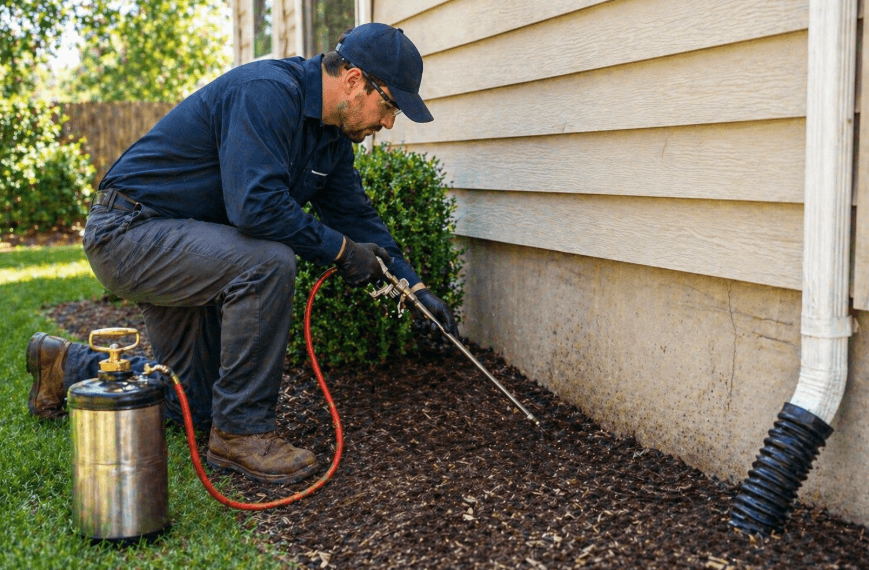
Look for steady improvement, not overnight perfection.
- Reduced termite activity: You should see fewer termites over time. Some may still appear early in the process, but activity should not stay the same or increase.
- No new damage: Old damage will still be there, but it should not keep getting worse. Check the same areas every few days to see whether fresh damage is appearing.
- No new mud tubes: Old mud tubes may remain after treatment. Fresh mud tubes are different. If new ones keep appearing, termites may still be active.
- Dead or weak termites: Finding slow, dying, or dead termites can be a sign that the treatment is spreading through the colony.
- Less activity near previous hotspots: Areas like window frames, baseboards, crawl spaces, and foundation edges should slowly quiet down after treatment.
Simple rule: working treatment should show a clear downward trend.
Can Termites Come Back After Treatment?
Yes, termites can come back after treatment.
That does not always mean the original treatment failed. Sometimes the original colony is gone, but the conditions around the home still attract new termites.
This is where many homeowners get caught off guard.
Treatment solves the current infestation. Prevention keeps the next one from starting.
Termites may return when:
- Moisture stays near the foundation: Damp soil, leaks, and poor drainage make your home more attractive to termites.
- Wood touches soil directly: Wooden siding, posts, steps, or firewood touching soil can give termites an easy path inside.
- Firewood is stored too close to the house: Stacked wood near exterior walls can attract termites and hide early activity.
- Cracks and gaps stay open: Small foundation cracks, pipe gaps, and crawl space openings can become hidden entry points.
- No follow-up inspection is done: Without checking again, you may miss early signs before the problem grows.
Example: If a home has damp soil near the foundation and wooden siding touching the ground, termites have an easy path back in. Even after treatment, that setup still invites future problems.
The fix is not just killing termites. It is removing the reasons they came in.
📖 You May Also Like This “Pest Control” Article: 7 Ways to Get Rid of Mouse Urine Smell
How to Prevent Termites From Returning
Once termites are treated, prevention becomes the next job. You do not need to overcomplicate it. Focus on moisture, wood access, entry points, and inspections.
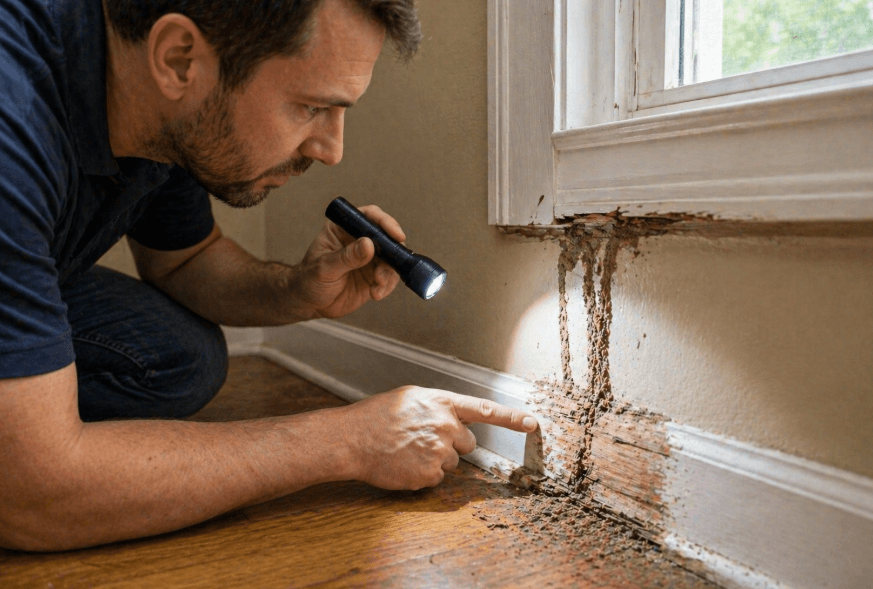
Keep Moisture Away From the Foundation
- What to do: Fix leaking pipes, clean gutters, extend downspouts, and stop water from pooling near your home. Termites are drawn to damp areas, so keeping the foundation dry makes your home less inviting.
Remove Wood-to-Soil Contact
- What to do: Keep firewood away from the house, avoid stacking lumber against exterior walls, and reduce mulch near the foundation. Wood touching soil gives termites an easy bridge into your home.
Seal Cracks and Entry Points
- What to do: Close gaps around pipes, utility lines, vents, crawl spaces, and foundation cracks. Termites can use tiny openings, so sealing these areas reduces hidden access.
Schedule Regular Inspections
- What to do: Check high-risk areas at least once a year, especially crawl spaces, basements, foundations, and wood near moisture. Early signs are easier and cheaper to handle than advanced damage.
When to Call a Professional
You should call a professional if the termite activity does not clearly decrease after treatment, or if new signs keep appearing.
Waiting too long can make the problem worse because termites can keep feeding while you are hoping the issue clears up.
Call for help when you notice:
- New damage after treatment: Fresh damage usually means the termites are still active somewhere.
- Mud tubes returning: New mud tubes are a strong sign that subterranean termites are still moving.
- Termites showing up in multiple areas: Activity in different rooms can point to a larger infestation.
- Wood sounding hollow or soft: This may mean termites have been feeding inside the wood.
- DIY treatment not stopping the activity: If sprays or baits are not reducing activity, the colony may be hidden.
- Signs near structural wood: Activity around beams, floors, crawl spaces, or foundation areas needs quicker attention.
The reason this matters is simple: hidden colonies are hard to reach.
A spray may kill what you see, but professionals focus on finding where the termites are coming from and stopping the colony at the source.
FAQs
Is It Safe to Sleep in a House With Termites?
Yes, termites do not usually harm people directly. The real concern is structural damage over time. If termites are active, they can weaken wood, floors, walls, or framing if the problem is ignored.
Which Smell Do Termites Hate?
Termites may avoid strong smells like orange oil, neem oil, vinegar, or certain essential oils. But smells do not usually eliminate a hidden colony. They may reduce activity in one area without fixing the main infestation.
What Triggers Termites to Come Out?
Termites usually come out when they are searching for food, moisture, or new areas to expand. Warm weather, damp wood, humid conditions, and soil-to-wood contact can increase visible activity.
What Time of Year Are Termites Most Active?
Termites are often most active in warmer months, especially spring and early summer when swarmers may appear. But in warm or protected environments, termites can stay active for much longer.
What Kills Termites Immediately at Home?
Direct contact sprays can kill visible termites quickly. The problem is they usually do not reach the colony. So the termites you see may die, but the hidden infestation can continue behind walls, inside wood, or underground.